
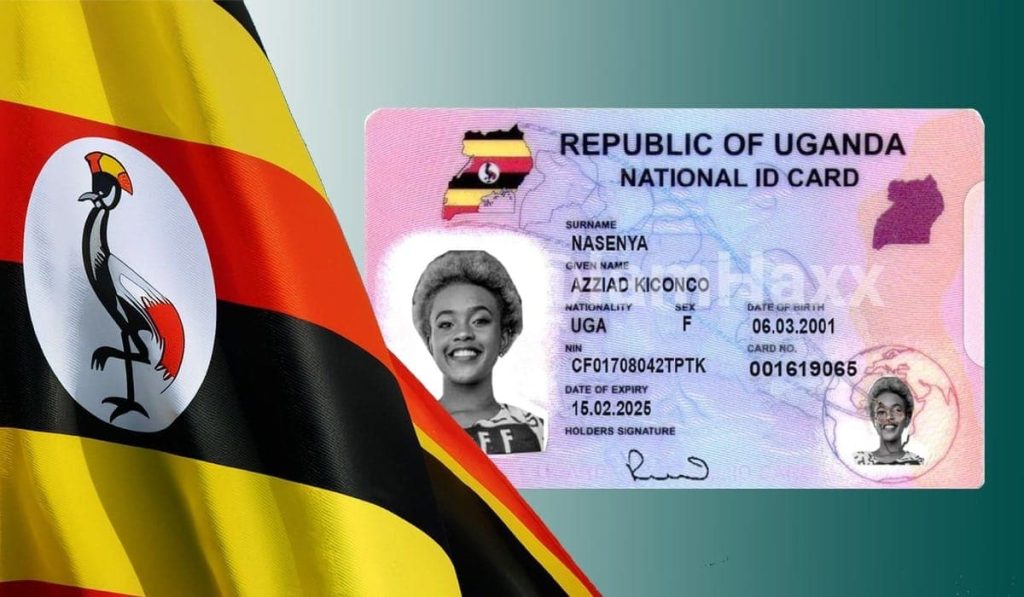
The exercise, scheduled to run through late November 2025, targets more than 15.8 million Ugandans with expired IDs, as well as first-time registrants particularly youth who have just turned 18 and individuals seeking corrections to existing documents.
The National Identification and Registration Authority (NIRA) commenced its nationwide mass renewal and registration exercise for National Identity Cards on May 27, aiming to update the identification records of over 15.8 million Ugandans. However, the launch was overshadowed by reports of bribery, favoritism, and operational inefficiencies at various registration centers.
In Kampala’s Nakawa Division, residents who arrived as early as 7 a.m. reported being sidelined in favor of individuals who allegedly paid bribes to NIRA officials to bypass queues. “I was here by 7 a.m., and my issue is simple—just renewing my national ID. But other people have been coming in and being allowed through the back, while we sit here like fools,” lamented one frustrated applicant.
As tensions escalated, police intervened to manage the agitated crowds. Officers warned that those unwilling to wait patiently would be escorted out, highlighting the disorderly nature of the proceedings.
NIRA’s Objectives and Technological Advancements
Despite the initial setbacks, NIRA’s Executive Director, Rosemary Kisembo, emphasized the broader goals of the exercise. “This exercise is not only aiming at renewing IDs but also laying the foundation for a smarter, more secure identification system that will support digital governance, financial inclusion, and access to public services,” she stated.
To facilitate the process, NIRA has deployed over 5,300 biometric registration kits across sub-counties nationwide. Additionally, an online pre-registration portal has been launched to streamline applications, allowing citizens to initiate the process digitally before visiting registration centers.
Scope of the Renewal Exercise
The mass registration campaign, scheduled to run through late November 2025, targets:
Renewal of expired National IDs
First-time registrations, particularly for youths turning 18
Corrections to existing identification documents
Replacements for lost or damaged IDs
Applicants are advised to carry supporting documents such as expired ID cards, birth certificates, or letters from local authorities to facilitate the verification process.