
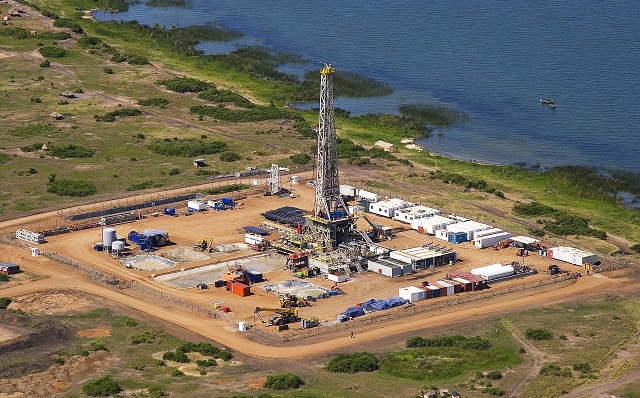
Uganda’s long-anticipated entry into oil production has been postponed once again, with the government now targeting June 2026 for the commencement of oil flow from the Albertine Graben region. This delay, announced by the Ministry of Energy and Mineral Development, is attributed to ongoing infrastructure developments, including the construction of the East African Crude Oil Pipeline (EACOP) and a new refinery in Hoima District.
Frank Mugisha, Assistant Commissioner at the Ministry, emphasized the government’s commitment to the new timeline, stating, “I want to reassure you and allay your fears that the first oil timeline set for June 2026 is final. There will be no further extension.”
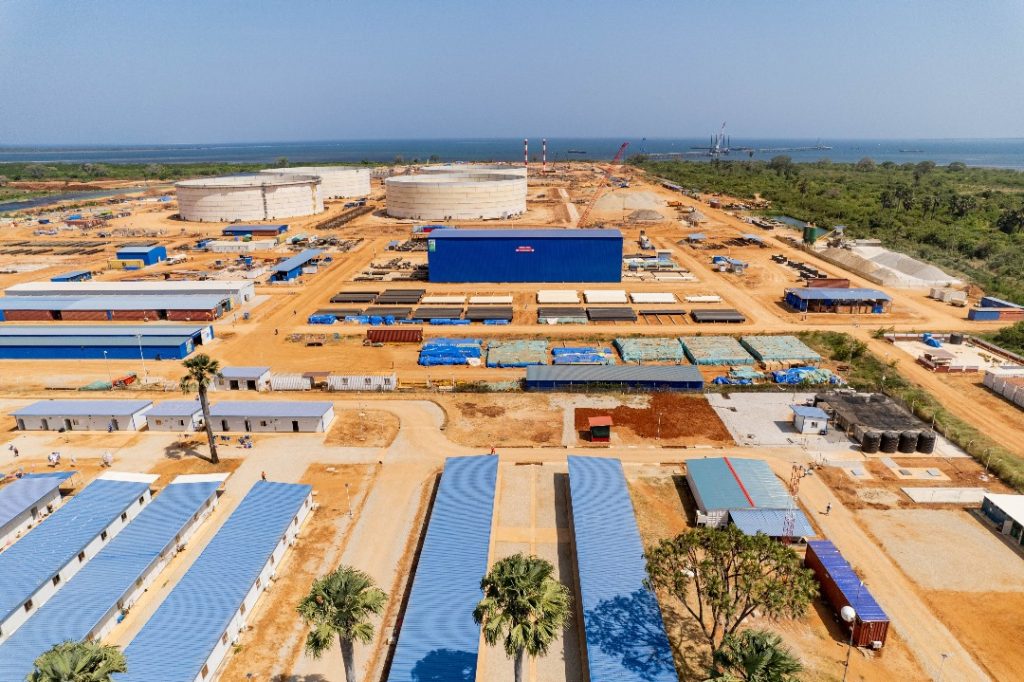
Project Progress and Challenges
The Tilenga and Kingfisher oil projects, operated by Total Energies and CNOOC respectively, have reached approximately 60% completion. Over 100 wells have been drilled as of mid-March 2025. However, the completion of critical infrastructure remains a significant hurdle.
In March, Uganda finalized a deal with UAE-based Alpha MBM Investments LLC to build a 60,000-barrel-per-day refinery in Hoima. The agreement grants Alpha MBM a 60% stake, with the remaining 40% held by the Uganda National Oil Company (UNOC). Despite this progress, construction has yet to commence, raising concerns about the refinery’s readiness by the 2026 deadline.
Economic Implications
The International Monetary Fund (IMF) projects that the start of oil production could propel Uganda’s economic growth to 10.8% in the 2025/2026 fiscal year, up from previous estimates of 6.2%. This growth is expected to have a lasting positive impact on the country’s fiscal and current account balances.
While the government remains steadfast in its June 2026 target, the successful commencement of oil production hinges on the timely completion of the EACOP and the Hoima refinery. Stakeholders and citizens alike are watching closely, hopeful that Uganda will finally realize its long-held dream of becoming an oil-producing nation.