Working online is one of the fastest-growing trends in the world today. Among those embracing digital platforms are journalists, who increasingly use the internet to research, report, and publish their stories. While online journalism offers convenience and wider reach, it also presents serious cyber security risks that can affect the quality and safety of journalistic work especially in sensitive areas like gender-based violence (GBV) reporting.
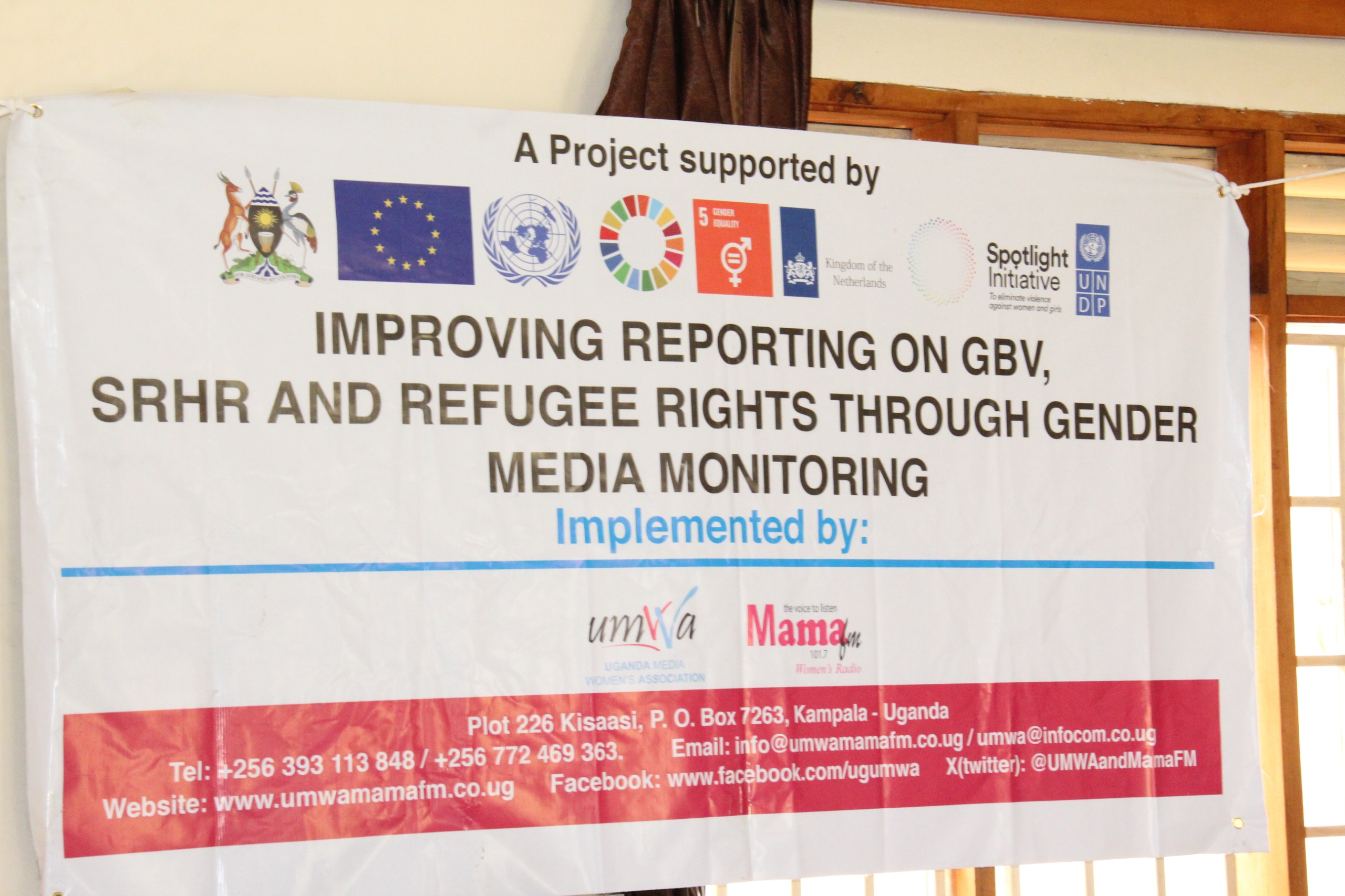
To address these challenges, the Uganda Media Women Association (UMWA) supported by UNDP and UN Woman organized a physical training session for online journalists aimed at enhancing their knowledge and skills in reporting responsibly on gender-based violence. The training emphasized the crucial role journalists play in shifting public perceptions away from negativity and toward empathy and constructive attitudes, particularly when covering underserved communities and underreported issues.
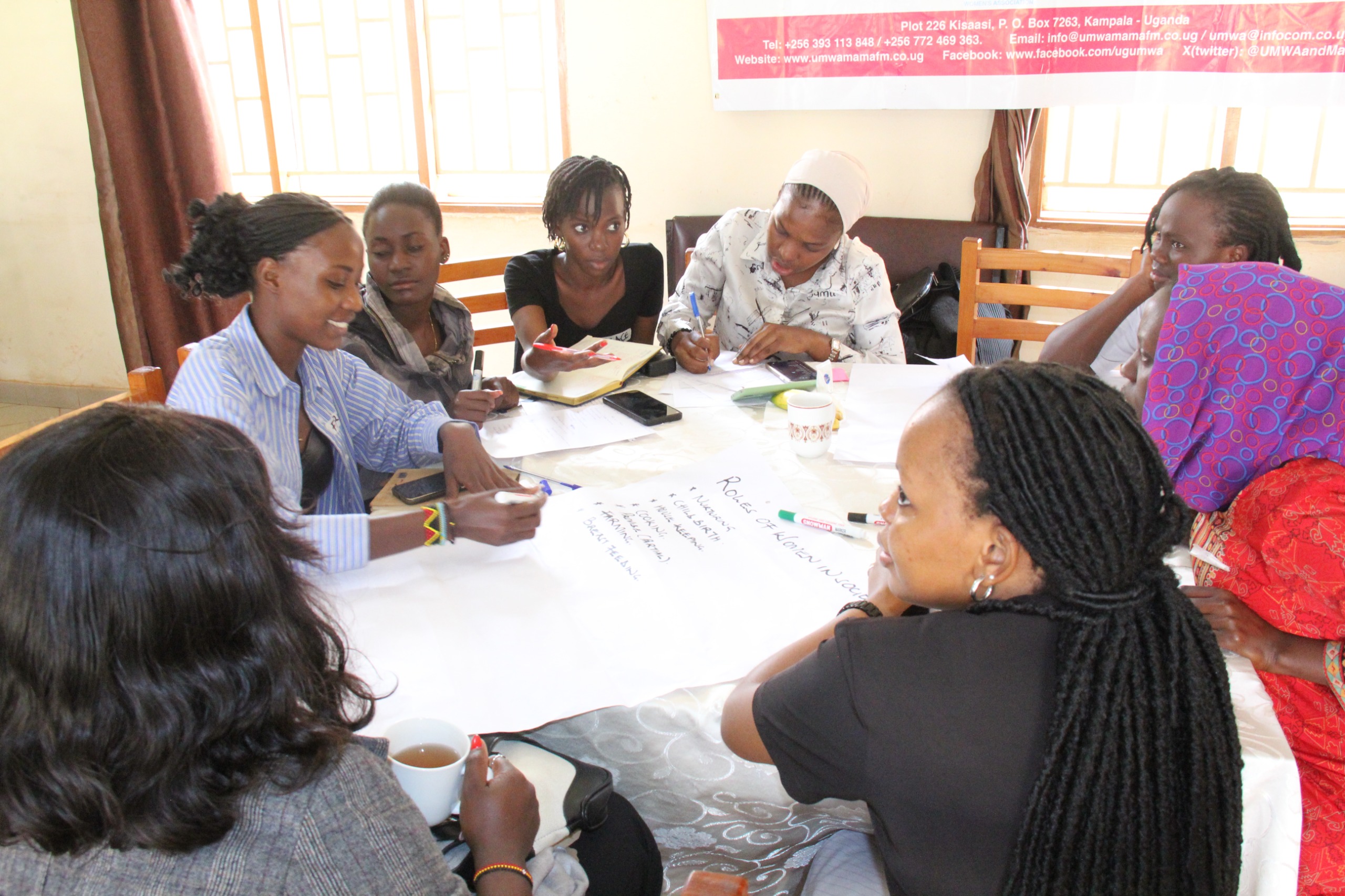
Faridah Mbabazi, one of the participating online journalists, shared her experience:
“I’ve learned so much about the injustices that exist in online spaces. This training has definitely improved my ability to report more responsibly and ethically online.”
Doreen Nsampa, UMWA’s Program Officer in charge of Lobbying and Advocacy, emphasized the motivation behind the initiative:
“We realized that GBV stories are largely underreported, despite such cases happening almost daily. There is also a rise in citizen journalism, yet many of these contributors lack the skills to report on GBV in a responsible and sensitive manner.”
She added, “Often, when GBV incidents are reported, the coverage does more harm than good further traumatizing victims rather than offering hope or solutions.”
Laila Ndagire, Project Officer at UMWA, pointed out another critical gap in digital GBV reporting:
“Many stories published online lack inclusivity. They present only one side, usually because journalists either don’t have the skills or don’t see the need to include multiple perspectives. Unfortunately, this one-sided reporting often leads to victim-blaming or misrepresentation.”
She continued, “That’s why we have trained these online reporters to ensure they report in a way that supports survivors and offers balanced, solution-oriented coverage.”
In addition to ethical reporting, the training also focused on digital safety and security. Journalists were equipped with skills to protect themselves from cyber threats such as online harassment, hacking, and doxxing.
“We want journalists to not only protect the people they report about but also to protect themselves while working in online spaces,” Laila concluded.
As online journalism continues to evolve, such capacity-building initiatives are essential to ensure ethical reporting, accurate representation, and the digital safety of media professionals