
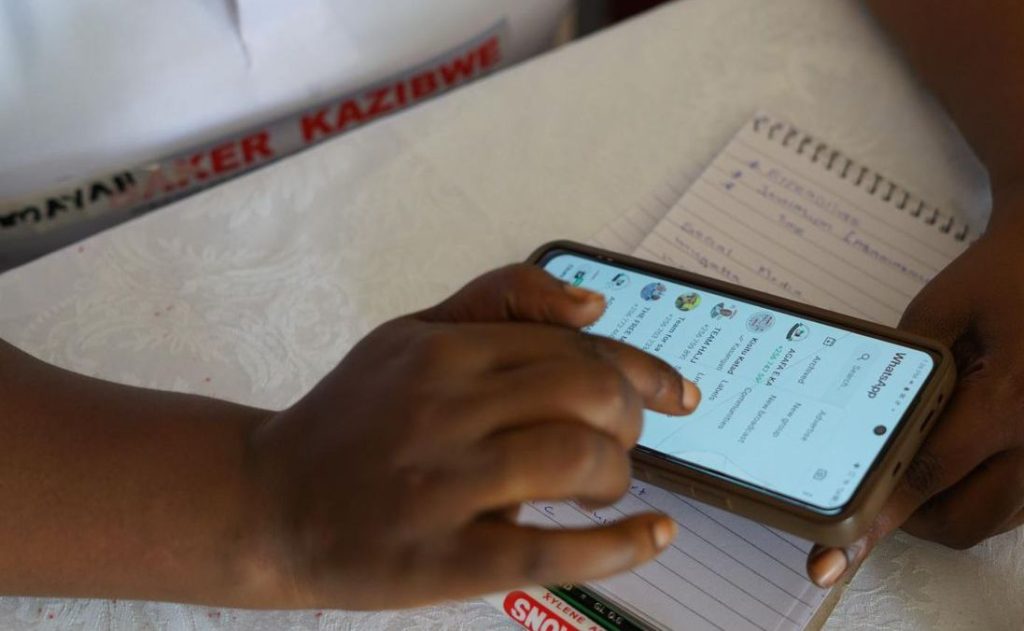
As the world commemorates the World Day for the Prevention of Sexual Exploitation and Abuse of Children, the Coalition on Sexual Violence Against Children in Uganda is raising urgent concern over the rising exposure of children to inappropriate, harmful, and unsafe media content.
Across Uganda, children are increasingly encountering disturbing materials on television, radio, social media, and other online platforms. Violence, sexual imagery, misleading portrayals of relationships, and harmful gender stereotypes are shaping children’s behavior, worldviews, and vulnerability to exploitation.
Children are being exploited through sexual materials, particularly online. According to Timothy Opobo, Executive Director of Afri Child, approximately 302 million children were victims of non-consensual online sexual images or videos in the past year, with about 3 million children experiencing online sexual violence or exposure to sexual materials. This rise is largely due to increased use of smartphones, unregulated social media platforms, and the widespread sharing of unsafe content, all of which negatively impact children’s mental health.
While there are legal and policy frameworks in place, they remain largely ineffective. Many parents give their children smartphones without understanding how to protect them or the risks associated with early digital exposure. Opobo notes that there is limited digital literacy among parents, which further increases children’s vulnerability.
Children who experience abuse often suffer mental and emotional harm and may struggle to speak out. Hope Wambi, VAC Prevention Coordinator at Raising Voices, emphasizes that parents have normalized giving children smartphones without implementing preventive measures. She urges parents to be intentional when posting online, set rules and guidelines for smartphone use, and actively engage in digital literacy. Schools also have a critical role in creating awareness about sexual violence.
A 2020 Uganda Communications Commission study revealed that 70% of children are not meaningfully engaged by their parents regarding internet use, heightening the risk of unmanaged exposure.
Fiona Nakityo from Remnant Generation highlights that young girls have been illegally brought into the country and coerced into commercial sex, often after being trapped by online strangers. Exposure to unregulated internet content has also contributed to cases of intersexual pregnancies among children. Research shows that 1 in 5 children aged 9–13 have been contacted by a stranger online, 15% have encountered misinformation or disinformation, and 13% have experienced hate speech.
Hadija Mwanje from High Sound for Children emphasizes that her organization works to protect children against inappropriate media content. She advises that there should be controls on what is shared online and that parents should actively monitor what their children watch on television or access on the internet.

While media remains a powerful tool for education, creativity, and empowerment, when left unregulated or poorly curated, it can become a pathway to sexual exploitation, abuse, emotional harm, and negative socialization.