

As Uganda prepares for the 2026 general elections, women leaders are strengthening their readiness by embracing digital tools that can enhance their political visibility and participation. For years, women have been at the frontline as changemakers across various political spaces, and with technology reshaping communication, many are now seeking skills to compete effectively in the digital age.
On 15th November, a group of women leaders from Kasangati town council,Nangabo subcounty, Wakiso district, took part in a digital skills training aimed at equipping them with practical knowledge to run more strategic and impactful campaigns. The training covered voter mapping, online safety, targeted communication, and the use of smartphones to build and manage supporter networks.
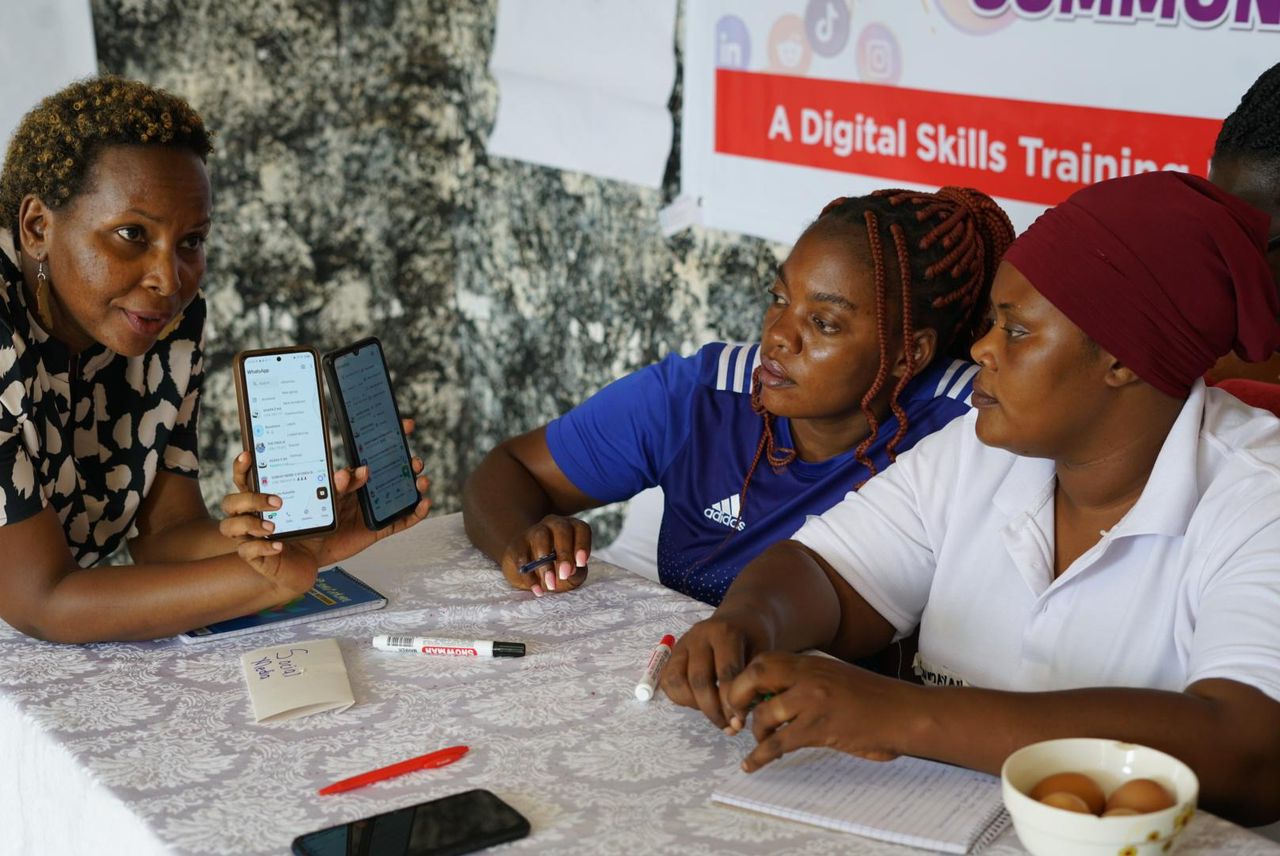
Laila Ndagire, the organiser and lead trainer , emphasized the digital gap that exists among women leaders despite the increasing use of mobile phones in everyday life.
“Many women leaders don’t know how to use digital platforms effectively. Even though they use phones daily, they still rely heavily on door-to-door mobilization. Platforms like WhatsApp can help them reach their electorates faster, collect feedback, and enrich their manifestos,” Ndagire explained.
For many participants, the training opened their eyes to the importance of targeted digital communication. Namugambe Angel, one of the women leaders in attendance, noted how the session helped her rethink her campaign approach.
“I used to campaign without focusing on my real voters. I would even go to places like markets thinking I had supporters there. I was in many WhatsApp groups believing they were full of my supporters. But now I’ve learned that I can create specific communities for my voters where they share their views and concerns, and I can know exactly where the problem is,” she said.
Trainers highlighted that platforms like WhatsApp are not just for chatting they can serve as tools for mobilization, monitoring community issues, strengthening personal security, and keeping supporters informed throughout the campaign.

The initiative comes at a time when misinformation, digital exclusion, and online harassment pose major challenges, especially for women in politics. Improving digital literacy is therefore seen as a crucial step toward ensuring that women contest on equal footing as 2026 draws near.
With their newly acquired skills, the women leaders now feel more confident and better prepared to navigate the digital space. They hope to run more targeted, responsive, and impactful campaigns that reflect the priorities of their communities.